
FMCG ERPNext Implementation
Connecting Procurement, Manufacturing, Inventory, Sales & Finance
Executive Summary
Business Background
Business
FMCG
Platform
ERPNext
Core Focus
End-to-End Transaction Flow
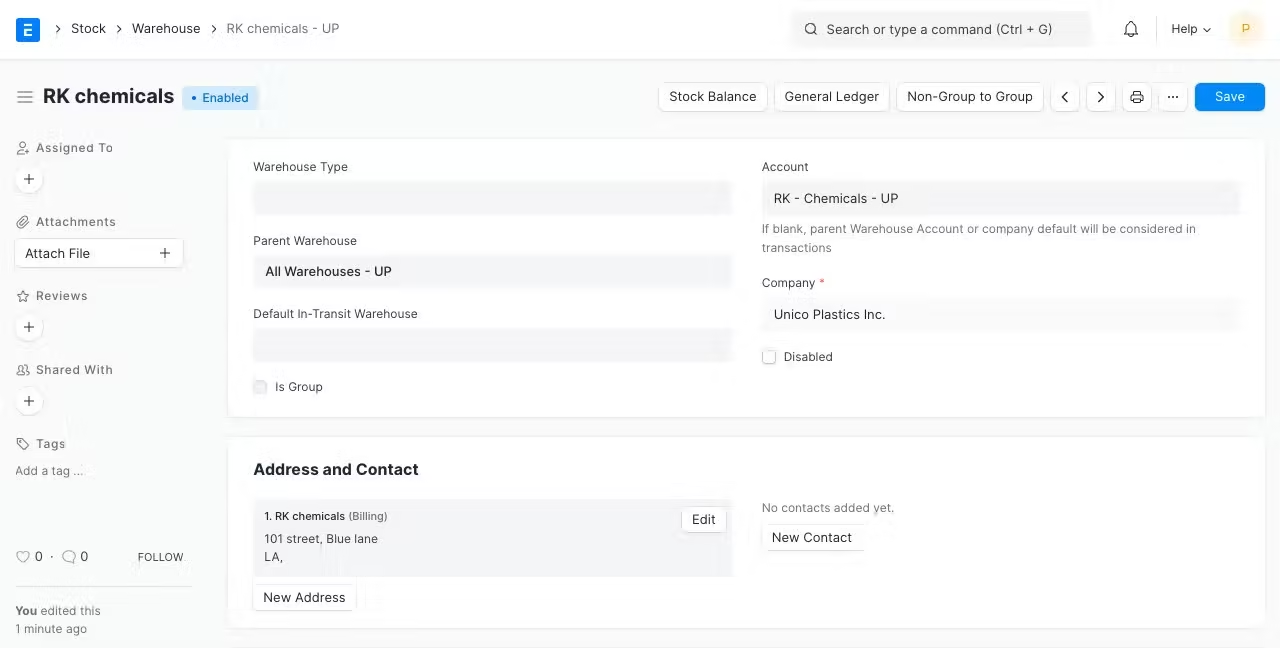
Bottlenecks & Pain Points
The challenge was therefore not simply to introduce an ERP system, but to establish a connected transaction flow from procurement and raw-material receipt through production, finished-goods inventory, sales and accounting.
The Requirement
| Business Cycle | ERPNext Transaction Flow |
|---|---|
| Procurement Cycle | Material Requirement → RFQ → Purchase Order → Purchase Receipt → Purchase Invoice → Payment |
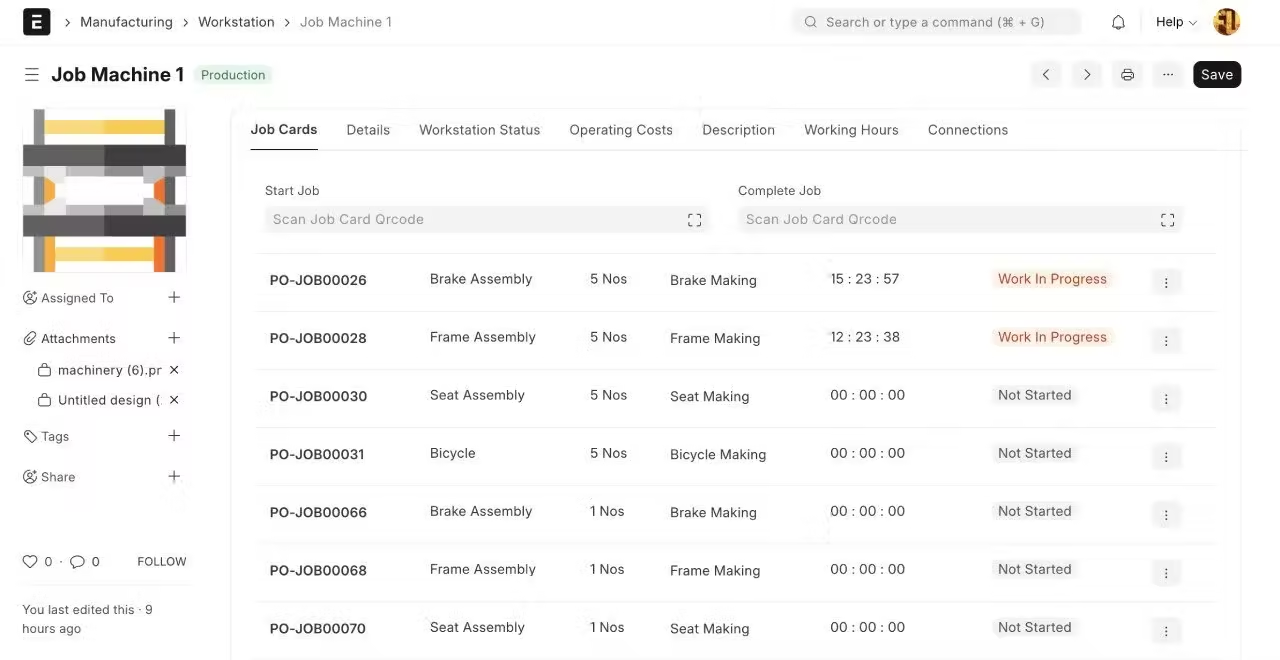
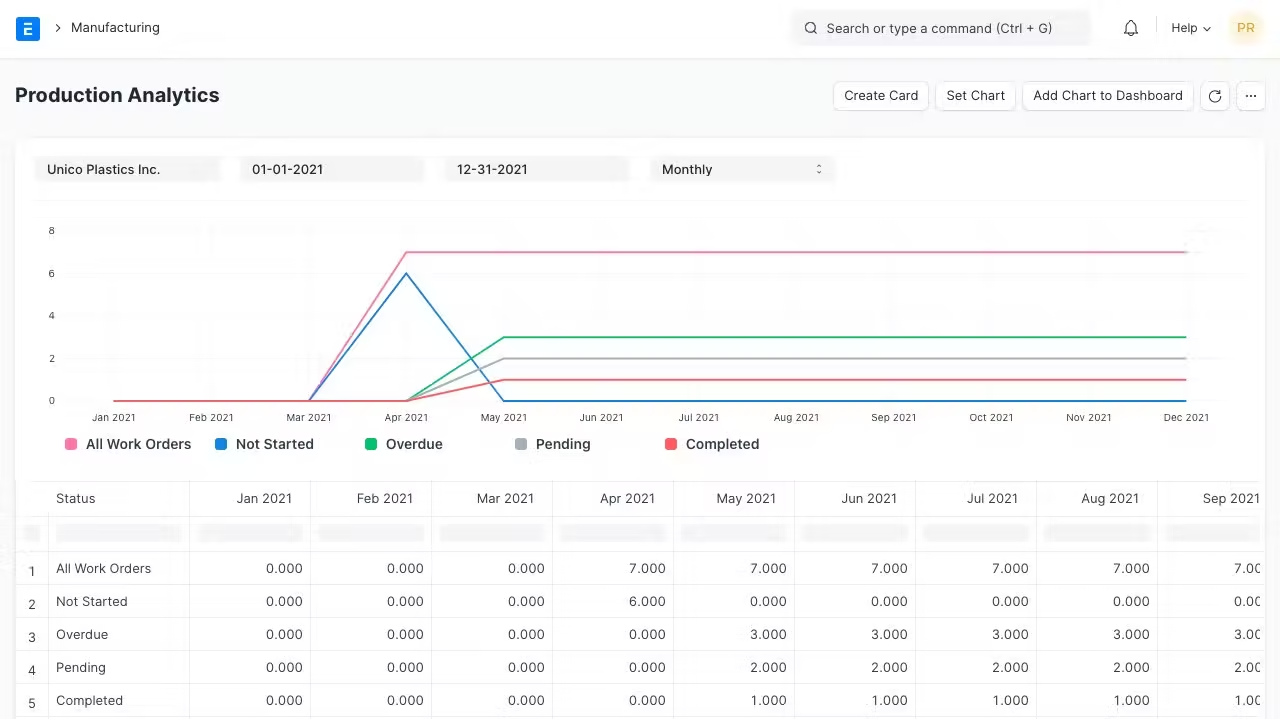
| Manufacturing Cycle | Production Requirement → BOM → Material Availability → Work Order → Material Transfer/Consumption → Manufacturing → Finished Goods Receipt → Finished Goods Stock |
| Sales Cycle | Sales Order → Stock Availability → Delivery → Sales Invoice → Payment |
What We Worked On
Practical Implementation Approach
When a production requirement was raised, the BOM defined the raw materials required for the finished product. Material availability could then be checked before production. Raw materials were transferred or consumed against the production process, and the resulting finished goods were received into the appropriate warehouse.
Raw Material → Production → Finished Goods → Batch → Sales
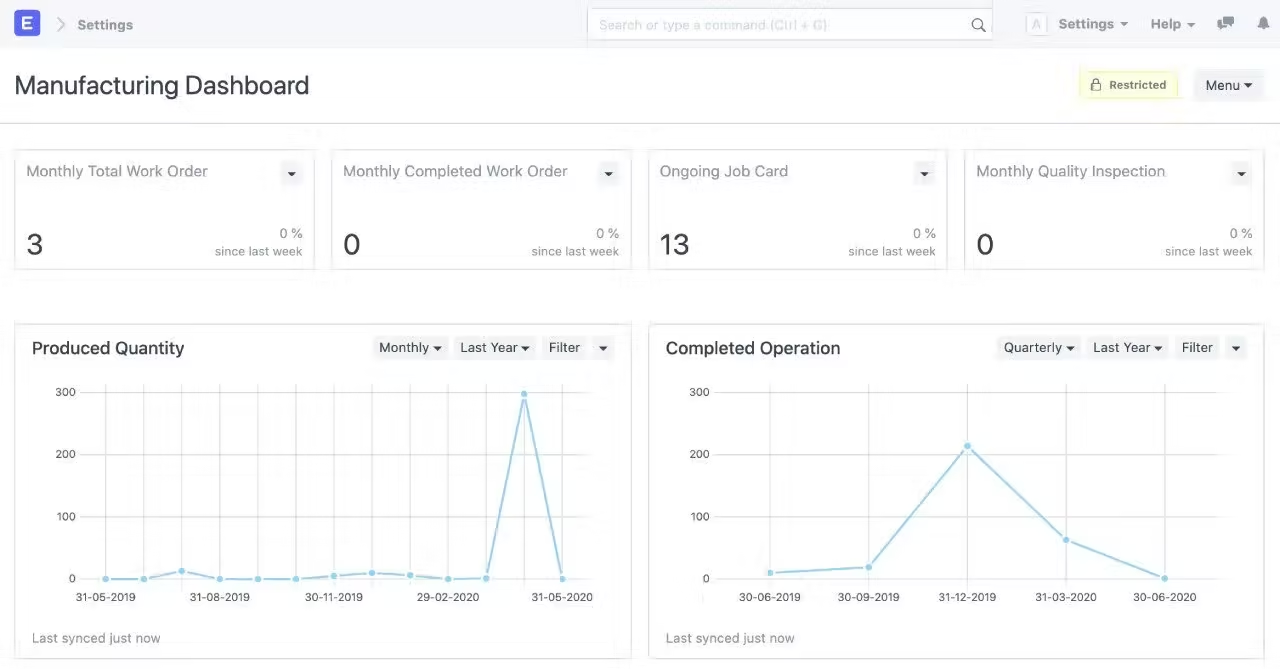
Outcome
Key Improvement
The key improvement was not simply replacing manual records with ERP screens. The business processes were structured around actual ERP transactions, creating a connected flow from procurement → raw-material inventory → manufacturing → finished goods → sales → accounts.